What to Expect During Your Harrisburg, NC Home Inspection
By Luke Williams · September 8, 2026 · 5 min read
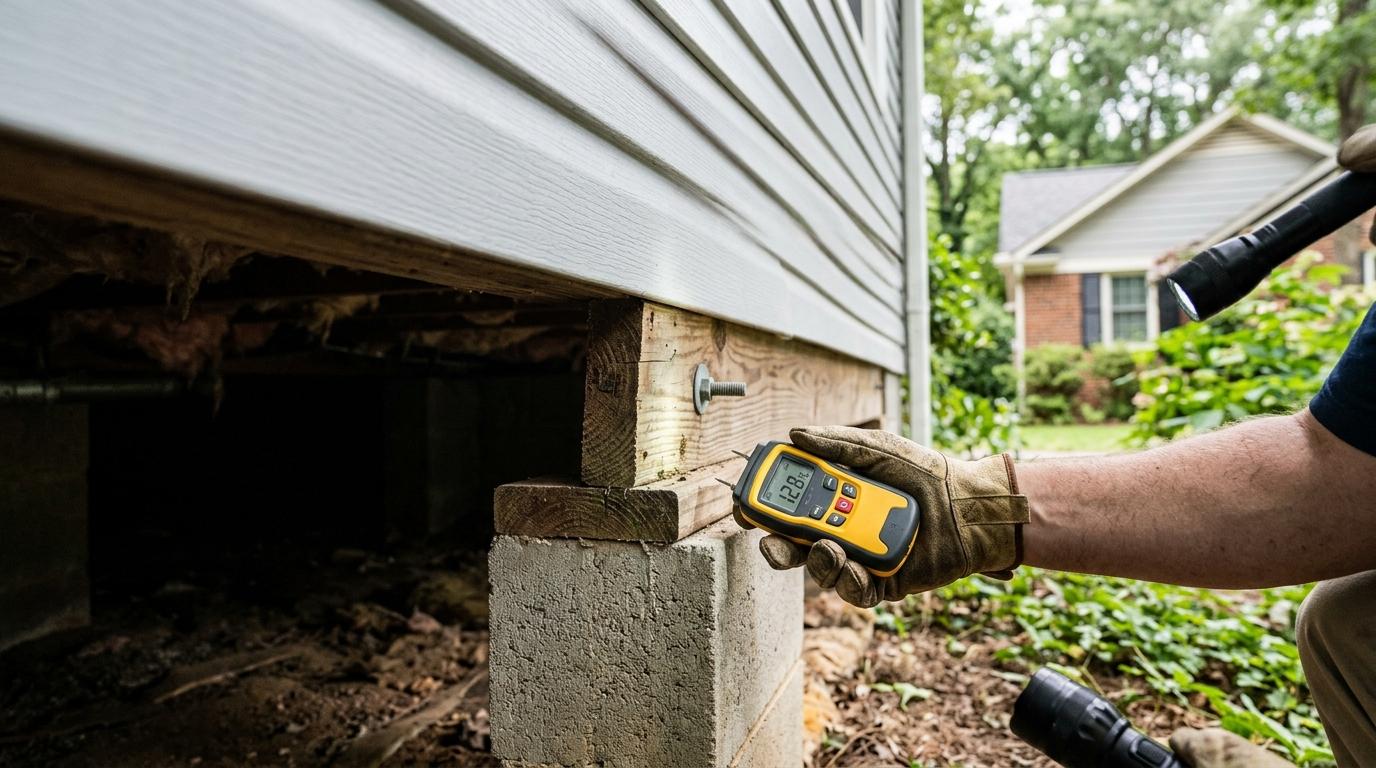
When a family in Harrisburg pulled up to a 1970‑s‑era ranch on Oak Street, they were nervous about what the inspector might find. That’s a common feeling—especially when you’re buying in a region where humid summers and occasional winter freezes can hide hidden issues. In this guide, I’ll walk you through exactly what happens during a typical home inspection with Orange Keystone Home Inspection, so you can feel confident and prepared.
We’ll cover everything from scheduling the appointment to reading the final report, using real‑world examples from Harrisburg and nearby towns like Spencer, China Grove, and Rockwell. By the end, you’ll know what to expect, what to ask, and how to use the findings to protect your investment.
Scheduling & What to Bring
1. Book early – The spring and fall months are the busiest for inspections in Rowan County because buyers want to avoid the heat of summer or the cold of winter. I recommend scheduling at least a week in advance, especially if you’re looking at homes in high‑traffic areas like downtown Harrisburg.
2. Gather paperwork – Have the seller’s disclosure, any recent repair invoices, and the MLS listing handy. If you’re working with a realtor, ask them to forward any known issues (e.g., a past roof leak) before the visit.
3. Prepare the home – Clear easy access to the attic, crawl space, and utility panels. Shut all exterior doors and windows, and make sure pets are secured. A clean, unobstructed environment lets me focus on the structure rather than navigating around clutter.
4. Bring a notebook or a digital device – While I’ll provide a detailed written report, jotting down immediate questions helps you stay engaged during the walk‑through.
5. Plan for the weather – In Harrisburg, a sudden summer thunderstorm can reveal drainage problems, while a cool fall evening is ideal for checking the furnace and chimney. If you know a storm is forecast, let me know; we can adjust the timing to capture those conditions.
By taking these simple steps, you’ll maximize the value of the inspection and keep the process smooth for everyone involved.
The Inspection Walk‑Through
When I arrive at the property, I start with a quick exterior survey before moving inside. Here’s the typical flow:
- Roof and gutters – I climb a ladder to examine shingles, flashing, and the condition of gutters. In Harrisburg, heavy summer rain can expose clogged gutters or sagging soffits.
- Exterior walls – I look for siding damage, paint deterioration, and any signs of moisture intrusion that are common after the occasional tropical moisture that rolls inland.
- Foundation – I check for cracks, settling, and drainage issues. The clay soils around Rowan County can expand and contract with moisture, so I pay special attention after a rain event.
- Windows and doors – I verify proper operation, seal integrity, and look for condensation that might indicate hidden leaks.
- Interior rooms – I move through each space, testing doors, checking walls for cracks, and noting any uneven flooring.
- Attic and crawl space – I assess insulation, ventilation, and look for signs of pest activity. The humid summer months often bring termites, so I keep an eye out for mud tubes.
- Mechanical systems – I inspect the furnace, air‑conditioning units, water heater, and electrical panel for safety and functional status.
Throughout the walk‑through, I explain what I’m doing and why it matters. If I spot something that needs a deeper look—like a potential roof leak after a recent storm—I’ll flag it for you and suggest a specialist’s follow‑up.
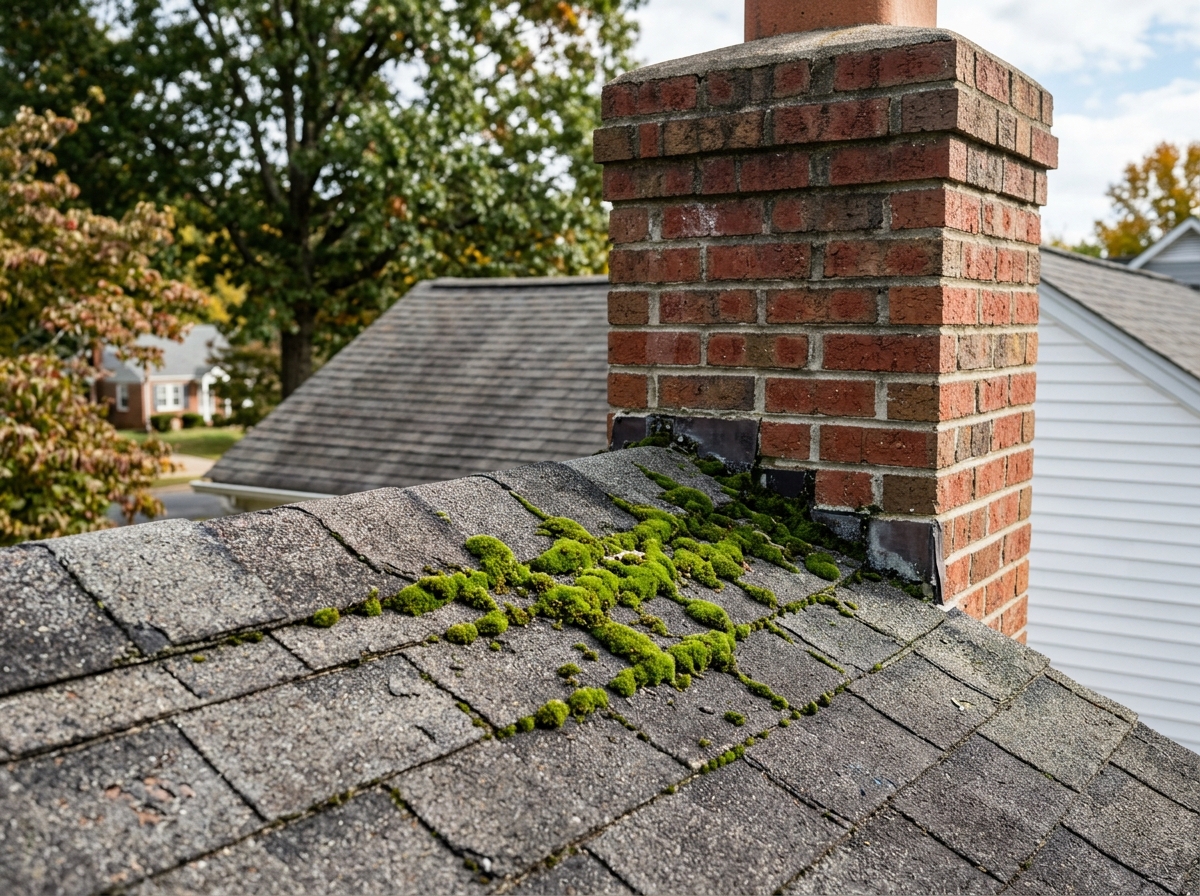
Image suggestion: a close‑up of a wooden roof shingle with moss growing near a chimney on a suburban home in Harrisburg, NC.
Key Areas We Examine
Below is a quick checklist of the major systems I evaluate, with a few local nuances that often come up in Harrisburg and the surrounding communities:
- Roof – Look for missing or curled shingles, rusted flashing, and proper slope for rain runoff. Summer thunderstorms can highlight weak points.
- Exterior drainage – Check downspouts and grading to ensure water moves away from the foundation. The region’s clay soils can hold water, so proper grading is critical.
- Foundation – Look for horizontal or vertical cracks, especially after a freeze‑thaw cycle in winter.
- Electrical – Verify that the panel is labeled, breaker sizes are appropriate, and GFCI outlets are present in kitchens and bathrooms.
- Plumbing – Inspect visible pipe sections for corrosion, leaks, and proper venting. Older homes in the area may still have galvanized steel lines that can corrode over time.
- HVAC – Test the furnace and central air for proper operation, clean filters, and adequate venting. The humid summer and cooler winter seasons make a well‑maintained system essential.
- Attic & insulation – Assess insulation R‑value, signs of moisture, and ventilation. In Harrisburg, attic condensation can appear after a hot, humid day followed by a cool night.
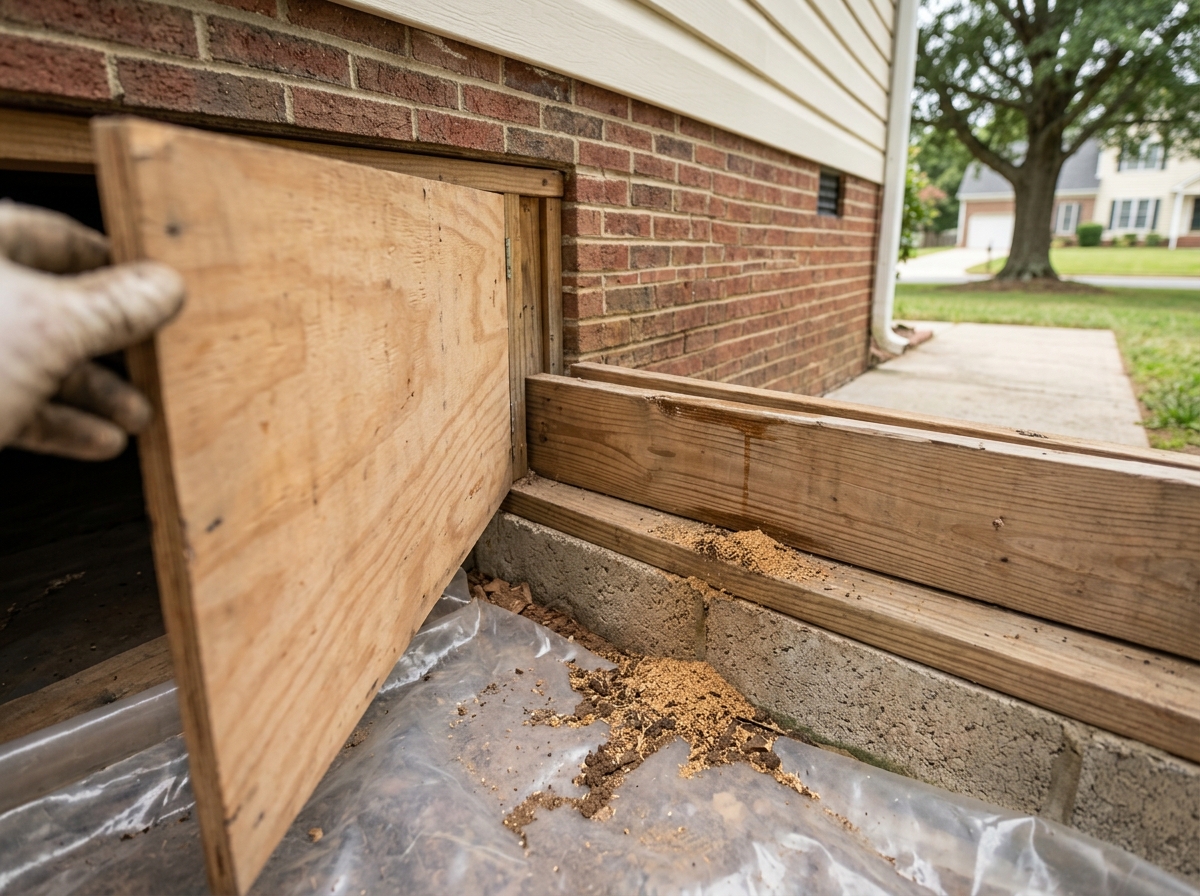
- Crawl space – Look for signs of termite activity, moisture, and proper vapor barrier. The surrounding woodlands make termite monitoring especially important.
- Interior finishes – Check for water stains, mold‑like odors, and uneven flooring that could indicate hidden moisture.
If any of these items raise a red flag, I’ll note it in the report and recommend a qualified contractor for further evaluation.
Image suggestion: a crawl‑space entry with exposed joists, a visible condensation line, and a small pile of sawdust indicating possible termite activity in a home near Spencer, NC.
Your Report and Next Steps
Within 24‑48 hours after the inspection, I deliver a written report that includes:
- Photos of each area inspected, clearly labeled.
- Findings – A concise description of what was observed, the condition, and why it matters.
- Priorities – Items are grouped into ‘Immediate Attention’, ‘Further Investigation’, and ‘Routine Maintenance’ so you can focus on the most critical issues first.
- Recommendations – I suggest the type of specialist you might need (e.g., a licensed HVAC technician, a structural engineer, or a pest control professional).
The report is meant to be a conversation starter. Whether you’re the buyer, seller, or a real‑estate agent, you can use it to negotiate repairs, request credits, or simply plan for future maintenance. Remember, an inspection is visual and limited in scope; it does not guarantee that every hidden defect will be uncovered.
If you have questions after reviewing the report, feel free to reach out. I’m happy to clarify any findings or suggest next steps specific to your home’s location and age.
No image for this section.
If you’re preparing to buy or sell a home in Harrisburg, Spencer, or any of the surrounding towns, a thorough inspection can give you peace of mind and a clear roadmap for the future. I’m Luke Williams, lead inspector at Orange Keystone Home Inspection, and I’m here to help you navigate the process with confidence.
Feel free to call or email with any questions, or schedule your inspection online. Let’s make sure the house you’re moving into is as ready for you as you are for it.
No image for this section.